first-time buyers:
When is earnest money due?
Buying a home is already a high-stress process. But when you don’t know at what points in the process money is due, the stress can be overwhelming. In this blog, I will break down what earnest money is and the role that it plays when you are buying a home. You’ll be better prepared and less anxious when the time comes to submit a winning offer on a house.
What IS earnest money?
Earnest money is the “good faith” money that you after your offer is accepted on a home. Think of it as an early deposit – NOT additional money that the seller gets to keep on top of the price you are offering. The amount that you offer as earnest money will be held by the seller’s broker or your title company until closing day. It will then be paid towards your down payment and closing fees.
Why is this money important?
Earnest money is important to a seller because it shows that you have “skin in the game.” It can be risky for a seller to take their home off the market if a buyer is not actually serious about purchasing.
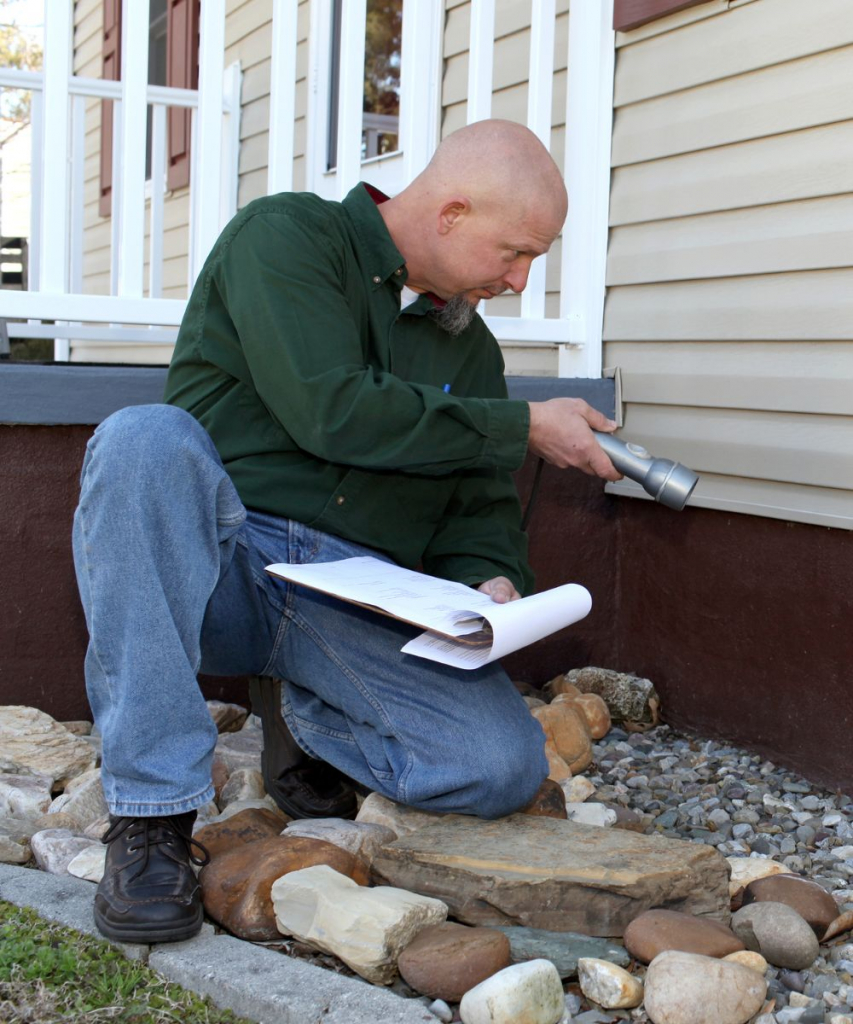
If you are house hunting and see a home come back on the market after an offer was accepted, what is one of the first things that you think? “What’s wrong with it.” This can end up very costly for a seller, which is why they may be apprehensive to accept an offer with a very low earnest money amount.
how much money is "normal?"
Typically buyers offer a minimum 1% of the purchase price of the home as their earnest money. For example: on a $350,000 house you would offer $3,500 in earnest money. Though I have seen buyers offer as much as $25,000 to really make their offer stand out.
Remember: this money is an initial deposit on the home. These funds will go towards the final cash-to-close amount you need for the home.
Is earnest money refundable?
You are likely wondering if that amount is refundable should something go wrong during the buying process… That depends.
To protect yourself after an offer is accepted, you will have contingencies built in. The most common ones you will see in Minnesota are:
- Contingent on Home Inspection
- Contingent on the Mortgage Financing

After your offer is accepted on a home, you will likely have a home inspection. If you find any major issues or required repairs that a seller is not willing to fix or deduct from the price, you are able to cancel the offer and get your earnest money back (IF your offer was contingent on home inspection).
You may also have a mortgage on the property that you are buying as well. Depending on the terms in your offer, if your financing was to fall through during the transaction, you would also likely get your money back.
You are protected in a lot of ways with contingencies built into a contract, but you will NOT get your earnest money back should you get cold feet or find a better home and choose to walk away. This is where it shows you have skin in the game.
You are also able to mark your earnest money as non-refundable in your offer to a seller as a strategy used in competitive markets.
When is the money DUE?
Earnest money is due after you have an accepted offer on a property. In the state of Minnesota, your broker/ agent must have the money deposited within three days of your final purchase agreement acceptance date. Most often buyers will submit this money the same day they receive the news that their offer was accepted. How this money is submitted can be different for each transaction, but you will typically see it as a check or via a secured payment link online.
Looking to learn more about buying your first home? Check out my YouTube channel.